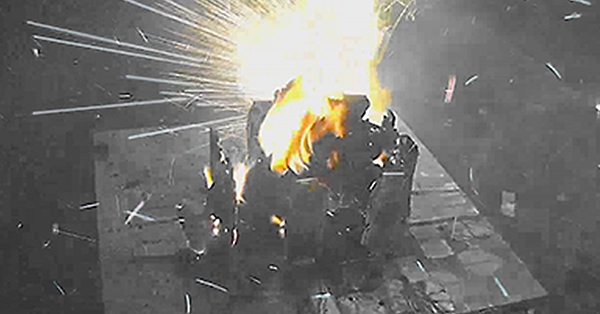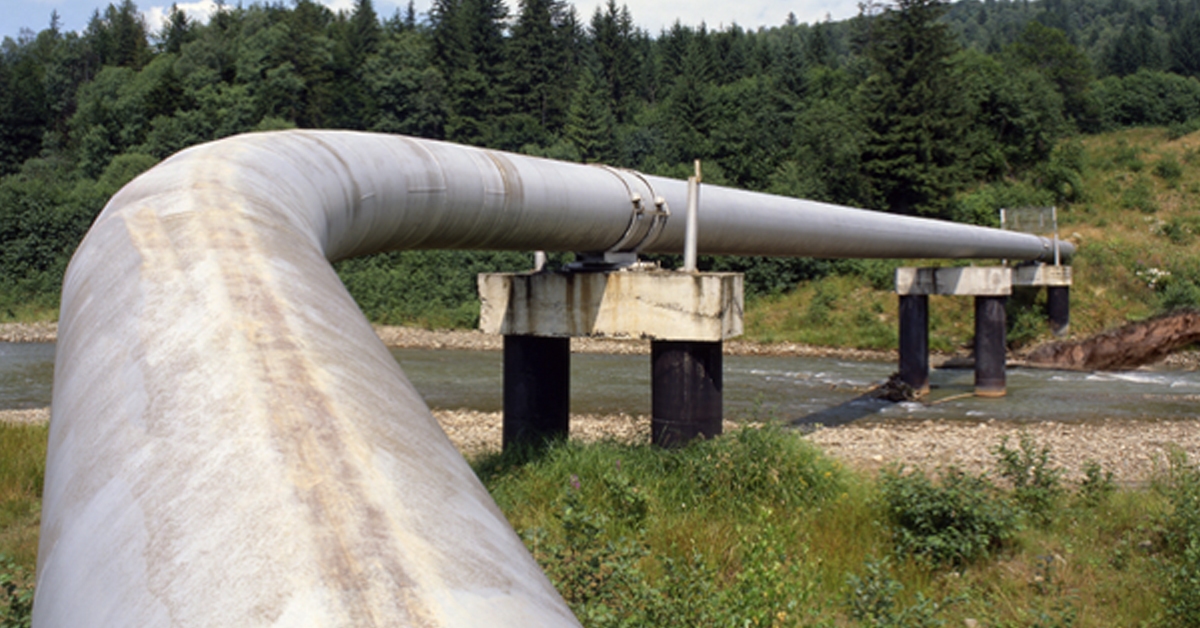
Assessing Pipelines Susceptible to Geohazards and Soil Movement
This webinar will take a closer look at techniques for addressing permanent ground displacement (PGD) and present a case study where observed soil subsidence significantly changed the load conditions in a pipeline.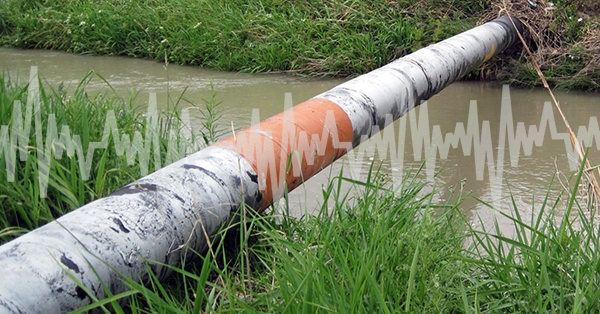
Assessing Stresses and Vibrations in Pipeline Spans
Pipeline spans face a different set of hazards than buried sections of pipeline, and stresses encountered need to be determined to ensure safe operation and code compliance. This webinar will provide an introduction to the nature and evaluation of loads and hazards that affect pipeline spans.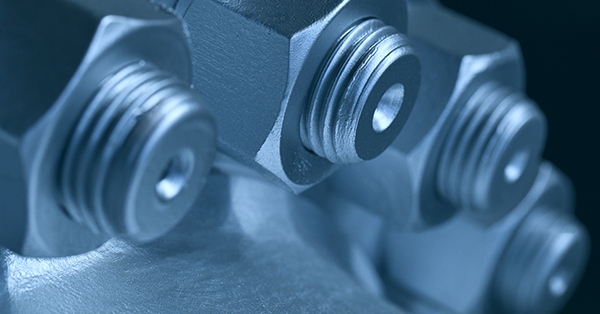
Bolted Flange Joints: Principles and Applications
This webinar covers design considerations for bolted flange joints in the context of their application as critical components of pressurized systems in multiple industries. A system design process will be described, and the mechanics of bolted joints will be described in detail.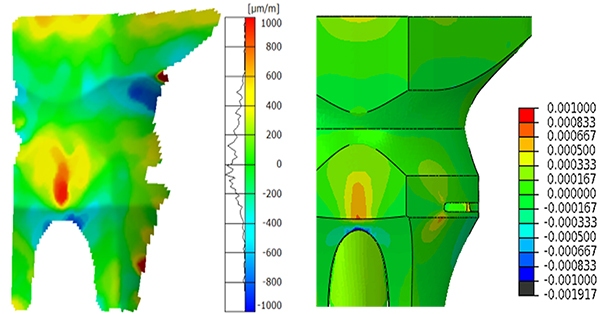
Enhancing Finite Element Analysis with Digital Image Correlation Test Data
New tools such as Digital Image Correlation (DIC) can be coupled with FEA to aid in analyzing and predicting the response of materials and structures under load, which is vital for aerospace applications. This webinar covers several experiences using DIC and photogrammetry tools to gain understanding in this area.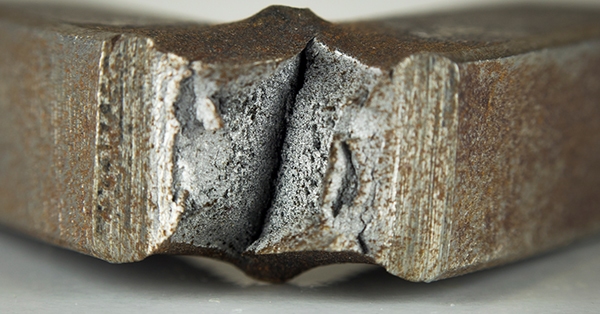
Introduction to Fracture Mechanics – Part 1
Part 1 of 2: This webinar covers the basic principles of fracture mechanics and its application to design and mechanical integrity analysis in the upstream, midstream and downstream oil and gas industries. The webinar will include example problems and case studies to demonstrate the application of fracture mechanics principles to real world problems.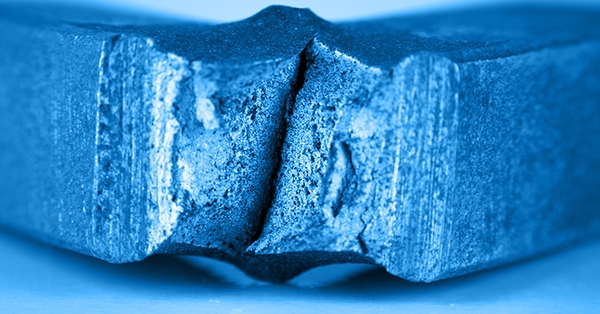
Introduction to Fracture Mechanics – Part 2
Part 2 of 2: This webinar covers the basic principles of fracture mechanics and its application to design and mechanical integrity analysis in the upstream, midstream and downstream oil and gas industries. The webinar will include example problems and case studies to demonstrate the application of fracture mechanics principles to real world problems.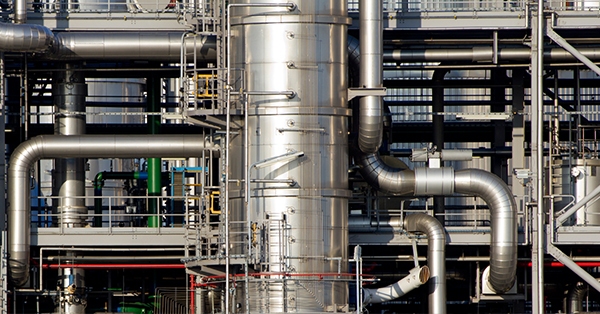
Introduction to Piping Vibration Problems and Solutions
Excessive piping vibration at industrial facilities presents significant safety, environmental and economic risks. This webinar provides an introduction to classifying piping vibration problems and determining severity. It also includes a description of mitigation approaches for dealing various types of piping vibration problems.
Key Questions in Selection of Materials According to NACE MR0175/ISO 15156
Failures of metallic components can be associated with exposure to H2S-containing production fluids. This webinar covers the selection of materials (Carbon Steel and CRAs) for sour (H2S) service applications.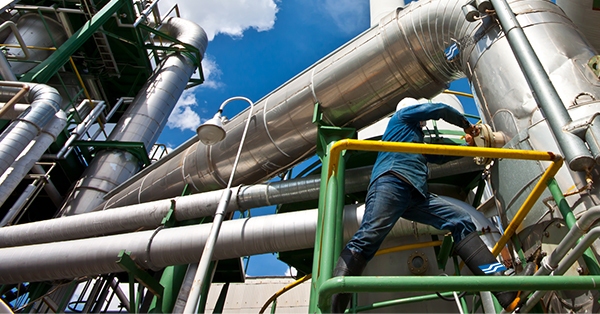
Relating Inspection Data to Fitness-for-Service Assessments
A webinar on how inspection results interface with fitness-for-service (FFS) evaluations with regards to API 579-1/ASME FFS-1. Covers metal loss and deformations and how this inspection data feeds into Level 3 assessment methods.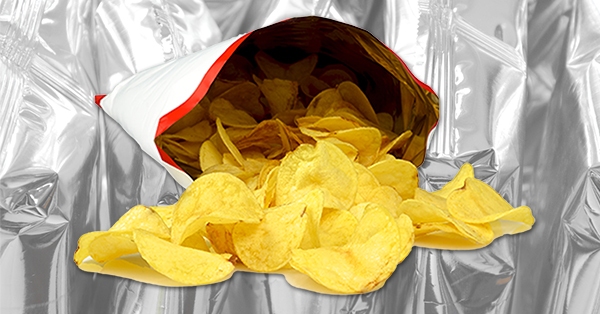
Shipping Less Air: Simulation Technology and Snack Flexible Package Sustainability
This webinar brings the awareness of applicability of the simulation technology regarding to the bag size determination and chip/snack filling process, and ultimately help the industry in adopting the technology to make the chip bag filling process more sustainable, i.e., to ship less air.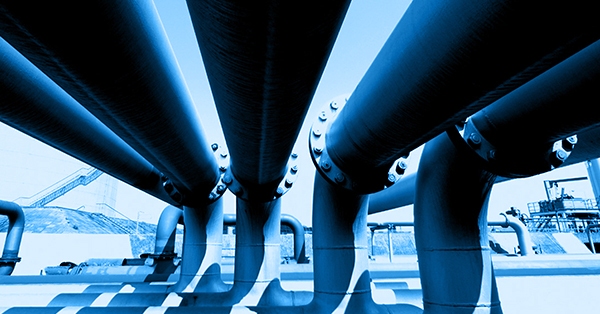
Slug Catcher Assessment – An Approach to Critical Problem Solving in Gas Processing
This webinar covers an assessment that was performed to solve a problem associated with the installation and design of a slug catcher in a gas processing facility. A critical weld failed during the initial hydrotest of a 4,000-bbl slug catcher.