The Microbial Menace: Protecting Oil & Gas Infrastructure from MIC

by: Suresh Divi, PhD, PE, APMP
Volatile market prices and geopolitical instability constantly challenge the oil and gas industry. Yet, a silent, unseen destroyer, Microbiologically Influenced Corrosion (MIC), lurks beneath the surface. Driven by microscopic organisms, this insidious degradation poses a significant and costly threat, silently eating away at pipelines, storage tanks, and critical infrastructure across the globe, often revealing itself only when the damage is extensive.
What is MIC and Why is it So Prevalent in Oil & Gas?
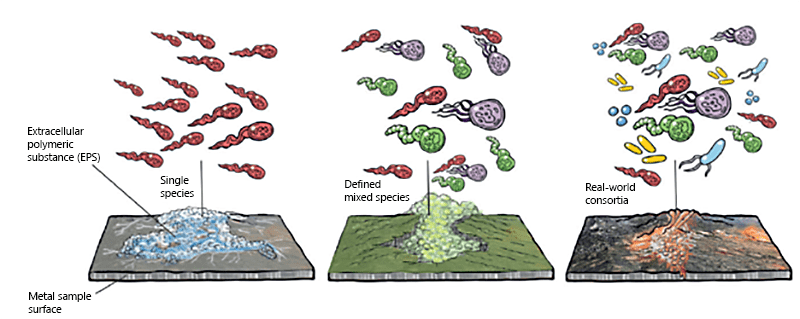
MIC forms when microorganisms—like bacteria, archaea, fungi, and algae—colonize metal surfaces and create biofilms. Within these slimy, protective layers, these microbes alter the local environment, accelerating the electrochemical reactions that cause corrosion. What makes MIC different from “traditional” corrosion is its biological nature, which makes it incredibly difficult to both find and fix.
Key Features of our Jet Impingement Testing System
While Microbiologically Influenced Corrosion (MIC) manifests in various forms of physical damage (pitting, crevice corrosion, etc.), the “types” of MIC are primarily categorized by the dominant microbial groups and their specific metabolic mechanisms that drive the corrosion process. Here are the key types of MIC and how they work:
- Sulfate-Reducing Bacteria (SRB) MIC: SRB are anaerobic bacteria, meaning they thrive in oxygen-depleted environments. They are considered one of the most common and aggressive MIC culprits, especially in oil and gas pipelines and other anoxic systems.
- Sulfur-Oxidizing Bacteria (SOB) MIC: SOB are typically aerobic bacteria that oxidize various sulfur compounds (e.g., elemental sulfur, thiosulfate, sulfides) to sulfuric acid (H2
SO4 ). - Iron-Oxidizing Bacteria (IOB) MIC: IOB are typically aerobic or microaerophilic (requiring low oxygen) bacteria that derive energy by oxidizing ferrous iron (Fe2+) to ferric iron (Fe3+).
- Acid-Producing Bacteria (APB) MIC: APB produce various organic (e.g., acetic, formic, lactic) or inorganic (e.g., sulfuric, nitric) acids as byproducts of their metabolism.
- Methanogens MIC (Archaea): Methanogens are a group of Archaea (single-celled microorganisms distinct from bacteria) that produce methane (CH4
) as a metabolic byproduct. Some methanogens have been identified as contributors to MIC in anaerobic environments.
Besides these main categories, other microbial groups can also contribute to MIC, such as Slime-Forming Bacteria, Nitrate-Reducing Bacteria (BRB) and Manganese-Oxidizing Bacterial. However, above mentioned five are more prevalent in Oil and Gas industry. It’s important to note that in real-world systems, MIC is rarely caused by a single type of microorganism in isolation. Instead, complex microbial communities (biofilms) involving multiple groups often work synergistically, making detection and mitigation challenging.
The oil and gas industry is especially vulnerable to MIC for several reasons:
- Water Presence: Water, whether fresh, saltwater, or produced water (a byproduct of oil and gas extraction), is abundant in oil and gas operations. This provides the essential aqueous environment for microbial growth.
- Nutrient Availability: Hydrocarbons, production chemicals, and even corrosion inhibitors can serve as nutrient sources for various microbial communities.
- Stagnant Conditions: Dead legs, low-flow areas, and settled sediments in pipelines and tanks create ideal stagnant environments where biofilms can flourish without being dislodged by flow.
- Diverse Microbial Populations: Oil and gas systems harbor a wide array of microorganisms, including notorious culprits like Sulfate-Reducing Bacteria (SRB), Iron-Oxidizing Bacteria (IOB), and Acid-Producing Bacteria (APB), each contributing to unique corrosion mechanisms.
The Devastating Impact of MIC
The consequences of MIC are far-reaching and costly:
- Structural Integrity Threats: MIC can lead to localized pitting, crevice corrosion, and even stress cracking, significantly compromising the structural integrity of pipelines and vessels. This increases the risk of leaks, ruptures, and catastrophic failures.
- Increased Maintenance and Repair Costs: Detecting, monitoring, and mitigating MIC requires significant investment in specialized inspection techniques, chemical treatments (like biocides), and often, costly repairs or replacements of affected infrastructure.
- Production Losses: Equipment failures due to MIC can lead to unexpected shutdowns, reduced throughput, and significant production losses, impacting profitability.
- Environmental Hazards: Leaks and spills caused by MIC-induced failures can result in severe environmental contamination, leading to hefty fines, legal liabilities, and reputational damage.
- Safety Risks: The release of flammable or toxic substances due to MIC failures poses serious safety risks to personnel and surrounding communities.
Real-world examples underscore the severity of MIC. Past incidents, like significant methane leaks and crude oil spills, have been directly attributed to MIC, leading to billions of dollars in economic losses, environmental devastation, and even loss of life.
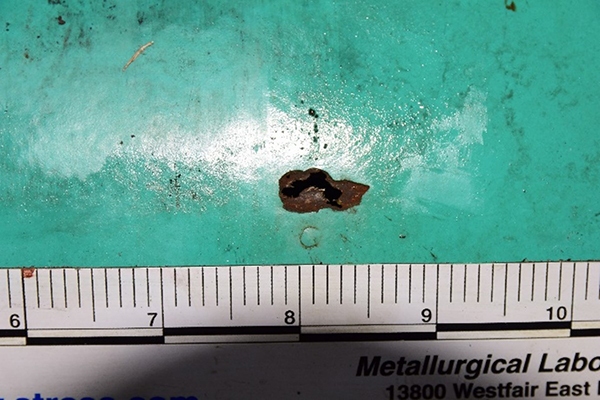
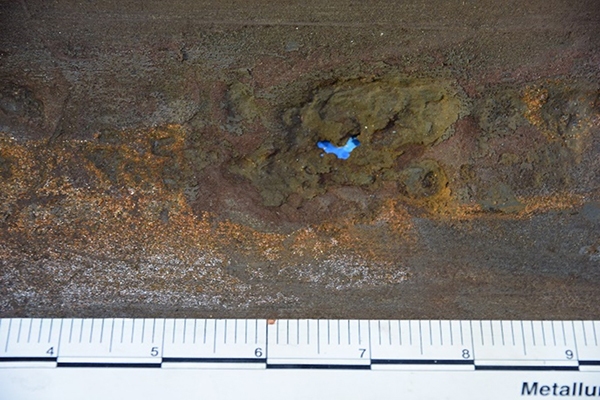
Example of Pipeline Corrosion due to MIC
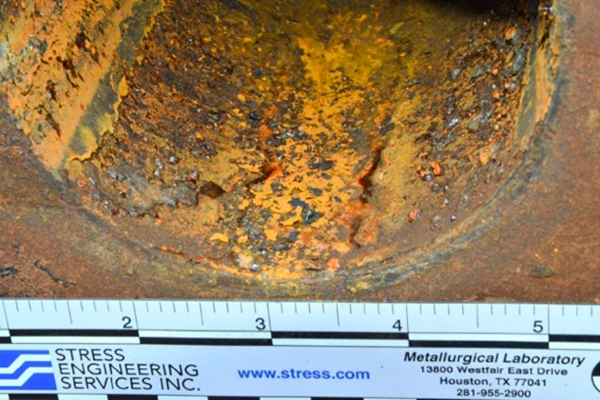
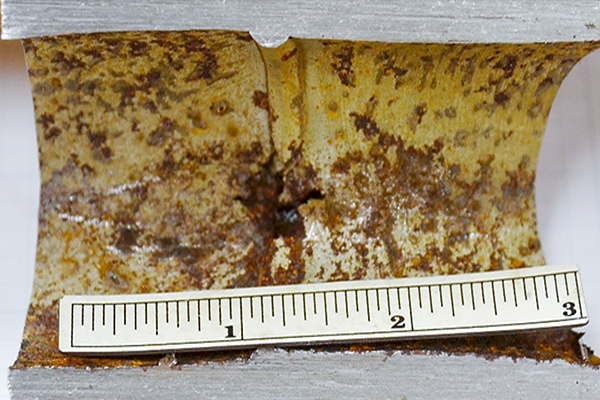
Example of MIC Corrosion of internal surface (left) and weld (right) of steel spools carrying produced water.
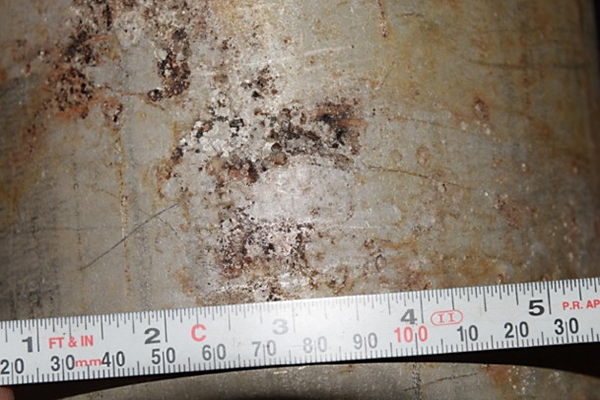
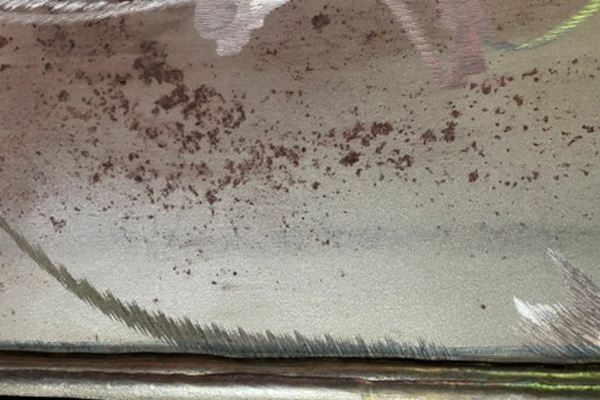
Example of MIC Corrosion of stainless steel pipe surface (left) and tank internal surface (right)
Fighting the Invisible Enemy: Mitigation Strategies
Combating MIC requires a multi-pronged and proactive approach:
1. Effective Monitoring and Detection:
- Advanced Microbial Testing: Moving beyond traditional culture-based methods, advanced molecular techniques like quantitative polymerase chain reaction (qPCR) and Next-Generation Sequencing (NGS) can accurately identify and quantify MIC-causing microbes, even those that are difficult to culture.
- Biofilm Monitoring: Since MIC is intrinsically linked to biofilms, sampling and analyzing biofilms directly from surfaces provides more reliable insights than just liquid samples.
- Corrosion Monitoring: Regular internal and external inspections using techniques like ultrasonic testing, radiography, and electrochemical monitoring help detect the physical signs of corrosion.
2. Prevention and Control Measures:
- Biocide Treatment: Strategic application of biocides can control microbial growth and prevent biofilm formation. However, careful selection and optimization of biocide type and dosage are crucial to ensure effectiveness and minimize environmental impact.
- Mechanical Cleaning (Pigging): Regular pigging of pipelines helps to physically remove biofilms, deposits, and stagnant water, disrupting microbial communities and preventing their accumulation.
- Water Management: Minimizing stagnant water, ensuring good drainage, and maintaining product quality by controlling water content can significantly reduce MIC risk.
- Material Selection and Design: Utilizing corrosion-resistant alloys (e.g., stainless steel with higher chromium content) and designing systems to avoid crevices, dead legs, and areas prone to water accumulation can inherently reduce MIC susceptibility.
- Coatings and Linings: Applying protective coatings and internal linings can create a barrier between the metal surface and the corrosive microbial environment. High-velocity thermal spray (HVTS) claddings are an example of an effective barrier.
- Cathodic Protection: While primarily used for external corrosion, cathodic protection can sometimes offer limited benefits against MIC by altering the electrochemical environment.
3. Holistic Corrosion Management:
- Integrated Approach: MIC should not be viewed in isolation but as part of a comprehensive corrosion management strategy that considers all potential corrosion mechanisms.
- Risk-Based Assessment: Implementing a risk-based approach helps prioritize mitigation efforts and allocate resources effectively to areas with the highest MIC risk.
- Continuous Improvement: Regular review and optimization of MIC management plans based on monitoring data and industry best practices are essential for long-term success.
Conclusion
Microbiologically Influenced Corrosion is a persistent and costly challenge for the oil and gas industry, demanding vigilance and proactive strategies. By understanding the mechanisms behind MIC, embracing advanced detection technologies, and implementing robust prevention and mitigation measures, the industry can significantly reduce the risk of asset failures, protect the environment, and ensure the long-term integrity and safety of its operations. The invisible enemy may be tiny, but its impact is anything but small.
About Stress Engineering Services
Our SES materials department actively performs MIC identification through numerous laboratory projects. We leverage qPCR (quantitative polymerase chain reaction) in our corrosion lab—a DNA-based molecular microbiological method (MMM) that precisely quantifies total bacteria, total archaea, and specific microorganisms. This powerful tool provides a rapid and objective assessment of microbial populations, unlike traditional culture-based methods. For industries like oil and gas, qPCR is invaluable for understanding and managing MIC by assessing corrosion risks and optimizing mitigation strategies. It enables us to detect MIC-related microorganisms early, allowing for timely intervention and preventing expensive damage. Additionally, our SES corrosion engineering staff possesses hands-on experience in detecting MIC on metals through field inspection and analysis.

Suresh Divi, PhD, PE, APMP – Sr. Principal | Corrosion Engineer, Houston Office
Suresh is an experienced Corrosion Engineer with a demonstrated history of working in Oil & Gas, Aerospace, Medical, Chemical Process and other industries. He is a PhD and PE (Texas) with 15+ years of experience in failure analysis, corrosion testing and project management.


Leave a Comment Cancel reply
You must Register or Login to post a comment.